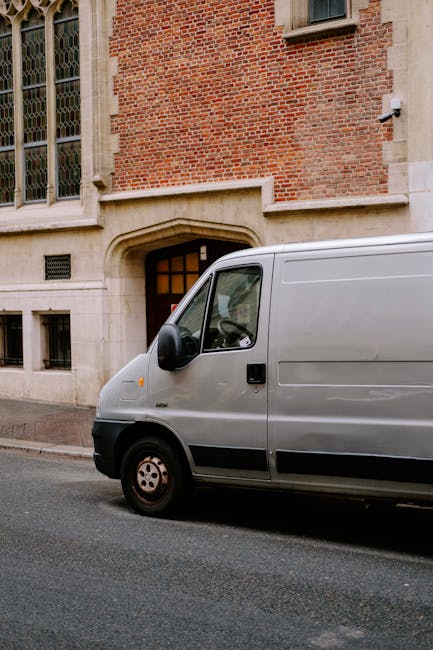
Westminster Council parking permits for removal vans in Pimlico

If you are moving in Pimlico, the parking side of the job can be the bit that turns a carefully planned day into a bit of a scramble. Westminster streets are busy, spaces are tight, and a removal van does not exactly disappear into the background. That is why understanding Westminster Council parking permits for removal vans in Pimlico matters so much: it helps you avoid delays, fines, awkward unloading, and that awful moment when the driver is circling the block wondering where on earth to stop.
This guide walks through what the permit issue really means, how it tends to work in practice, who needs to think about it, and how to plan a move so it feels calmer from the start. You will also find a checklist, a comparison table, and a few realistic examples from the kind of move people do every week in Pimlico. Nothing dramatic. Just the stuff that saves time and headaches.
Why Westminster Council parking permits for removal vans in Pimlico matters
Pimlico is one of those places where the street layout, resident parking controls, and everyday traffic all combine to make moving day a bit more delicate than people expect. A removal van may need to stop close to your front door, and on a narrow street that usually means planning ahead rather than hoping for the best. Truth be told, "we'll just find a space" is not much of a strategy here.
Parking permits matter because they help a removal van use the road space legally and, where possible, efficiently. Without the right permission, a van may be forced to park further away, block traffic, or risk a penalty. That can slow the whole move, and if you are dealing with heavy furniture, awkward stairwells, or a building with strict access times, every extra minute counts.
There is also a practical human side to it. A move is already full of small stress points: keys, boxes, lifts that are slower than you remember, and one missing screwdriver that somehow becomes essential. If the parking is sorted properly, one major headache is removed from the day. That alone is worth planning for.
For many Pimlico residents, parking management is not just a legal box-tick. It is part of the move itself. It affects:
- how close the van can get to your property
- how quickly loading and unloading can happen
- whether the driver can stop safely without causing disruption
- the overall cost if the move takes longer than planned
If your move also involves storage, packing, or smaller loads, it is worth thinking about the full logistics rather than just the van. Services such as professional packing help, removals support, or a flexible man and van option can make the parking side easier too, simply because the team can work faster and more neatly on the day.
How Westminster Council parking permits for removal vans in Pimlico works
In plain English, the process usually comes down to checking whether the street where the van will stop is restricted, whether a permit or dispensation is needed, and how far in advance the arrangement should be made. Westminster Council manages parking controls across the area, so the exact requirements depend on the street, the timing, and the type of vehicle involved.
Removal vans are not the same as a short stop for a car. They are larger, need more room, and are often used for loading from building entrances, basements, mews properties, or apartment blocks with tight access. That is why the parking question becomes more important than people initially think. The driver may need space for a tail lift, a trolley route, and enough time to load safely. Bit of a jigsaw, really.
In practice, the key things to confirm are:
- the exact moving address and street
- the date and likely time window for the move
- the size and type of removal vehicle
- whether parking bays, single yellow lines, or resident-only zones are involved
- whether any temporary suspension or permission is needed for a safe loading spot
The best approach is to start early. Even if the move seems small, parking arrangements in central London can take longer than people expect because there may be multiple restrictions in play. A mover with local experience will usually know the common pinch points in Pimlico, but you still want to verify the details for your exact street.
If you are also weighing up storage or a staged move, that parking flexibility can matter a lot. A short-term plan using short-term storage or combined removals and storage can reduce the number of trips and make the parking window easier to manage.
Key benefits and practical advantages
Sorting the parking properly does more than avoid a ticket. It can make the entire moving day feel more controlled. And let's face it, that is half the battle.
1. Less delay at the kerb. The van gets closer to the property, which means less carrying distance and fewer bottlenecks at the entrance.
2. Safer handling of furniture and boxes. Shorter carrying distances reduce the chance of drops, bumps, or that awkward "sorry, coming through" moment in a narrow hallway.
3. Better timing for the crew. If unloading is straightforward, the team can stick closer to schedule. That helps when you have lift bookings, key handovers, or building access slots.
4. Lower risk of enforcement problems. A properly planned parking arrangement is simply less stressful than trying to explain a moving van in a restricted bay after the fact.
5. Cleaner coordination with neighbours and building managers. This is underrated. A notice, a booked space, or a clear loading point reduces friction with other residents. Nobody likes a van blocking the only way out at 8:30 in the morning.
There is another benefit people often miss: it gives you breathing room. When parking is already handled, you can focus on the more human bits of moving - finding the kettle, checking the meter readings, and making sure the dog has not disappeared into a pile of boxes.
For some moves, particularly if you are downsizing or moving on a tight timetable, the right service mix matters too. A practical route might be small removals for a lighter load, or furniture storage if you need to clear space before the new place is fully ready.
Who this is for and when it makes sense
Not every move needs the same level of parking planning, but in Pimlico, most do. If a van has to stop on a controlled street, even briefly, you should think about permit needs early.
This is particularly relevant for:
- flat moves in mansion blocks or converted buildings
- house removals with tight front access
- students moving in and out with limited loading time
- office moves that happen within strict business hours
- smaller local moves where the van still needs proper stopping space
It also makes sense if the move involves a lot of heavy or fragile items. The more trips the team has to make, the more valuable close parking becomes. That is why people moving larger furniture often combine parking planning with a service like house removals or flat removals, depending on the property type.
For business relocations, parking can be even more sensitive because people still need to work around the move. A careful plan around office removals or business storage can help limit disruption and keep files, equipment, and desks moving in the right order.
When does it not make sense to overcomplicate things? If you have a tiny load, a very flexible schedule, and a street with easy off-street access, the permit conversation may be simpler. But in Pimlico, that is the exception more than the rule. On a wet Tuesday in winter? You will probably be glad you planned ahead.
Step-by-step guidance
Here is a practical way to handle Westminster Council parking permits for removal vans in Pimlico without making the process harder than it needs to be.
- Check your exact moving address. Do not rely on the postcode alone. One street in Pimlico can have different parking controls from the next.
- Look at the moving day schedule. Think about when the van arrives, how long loading will take, and whether the building has fixed access hours.
- Identify the vehicle type. A large luton van and a smaller removals vehicle can be treated differently in practical terms, especially where space is tight.
- Confirm the loading point. Decide where the van should stop and how furniture will travel from the door to the vehicle. Shorter routes are better, obviously.
- Allow extra time. Parking arrangements can be disrupted by traffic, deliveries, or a neighbour's unexpected arrival. It happens.
- Coordinate with the removals team. Make sure the driver knows what to expect, where to wait, and whether there are any building rules to follow.
- Prepare the property. Protect hallways, keep walkways clear, and make sure boxes are labelled. The parking permit is only one part of a smooth move.
- Have a backup plan. If the preferred spot is unavailable, know the next-best option before the van arrives.
A useful rule of thumb is this: if you are unsure whether parking will be straightforward, assume it will not be. That sounds gloomy, but it is actually a sensible way to save time later. Most moving-day problems come from underestimating the street, not the furniture.
If you are still building your moving plan, a local team that also handles local removals can help coordinate the route, timing, and vehicle size together rather than treating each piece separately.
Expert tips for better results
After enough moves, a few patterns become obvious. The same small habits make a difference again and again.
- Book early, not optimistically. Waiting until the week of the move is where people start improvising, and improvising with a removal van is never ideal.
- Measure the access properly. Not just the van space, but the walk from the van to the door. A few extra metres can feel like a mile when it is raining.
- Tell the crew about obstacles. Steps, low walls, narrow entrances, awkward corners, and lift restrictions should all be flagged in advance.
- Plan for the building, not just the street. A permit helps outside, but inside you may still need key access, concierge approval, or lift booking. Easy to forget, surprisingly common.
- Use packing that is move-friendly. Sturdy boxes, consistent labelling, and protected furniture all speed up loading, which reduces the parking pressure too.
One small but important tip: keep your essentials separate. If the van is parked a little further away than expected, you do not want to hunt through six identical boxes for a phone charger or a medication bag. Pack that in a clearly marked "open first" box and thank yourself later.
If your move is particularly time-sensitive, storage can give you a buffer. A temporary arrangement with self storage or mobile self storage can break the job into calmer stages, which is sometimes exactly what a busy Pimlico move needs.
Common mistakes to avoid
Most parking mistakes are not dramatic. They are just small oversights that snowball.
- Leaving it too late. This is the big one. Parking planning should happen before moving day, not during it.
- Assuming one street is like another. In Westminster, street-by-street differences matter. What worked for a friend nearby may not work for you.
- Forgetting the vehicle size. A loading bay that suits a car will not always suit a removals lorry.
- Ignoring building rules. Some properties have strict move-in times, service lift rules, or concierge processes. If you forget those, the permit alone will not save the day.
- Not allowing margin for delay. Traffic, weather, and access issues can all push the move back a little.
- Under-briefing the removals crew. The driver needs the practical details, not just the postcode.
There is a slightly funny thing about moving day: people will organise five hundred things beautifully, then casually assume the van will magically fit outside. It rarely does, at least not without a plan.
And if you are moving from a smaller flat or a student place, do not assume the load is too light to matter. A compact move can still need careful parking, especially where streets are busy and unloading space is tight. In those cases, student storage or household storage can help reduce the number of items being moved at once.
Tools, resources and recommendations
You do not need a complicated toolkit to manage this well. In fact, simple usually wins.
Useful things to have ready:
- your full moving address and postcode
- the moving date and rough arrival window
- the type of vehicle being used
- a contact number for the removals team
- any building access instructions
- a written note of loading restrictions, if relevant
Useful service areas to consider:
If the move is more involved than expected, some support services can make the whole thing easier. Packing services help reduce the time spent loading. Secure storage is useful if you need to keep belongings safe between addresses. For business moves, document storage and office storage can take pressure off the main move.
Recommendation: keep one simple moving folder, digital or paper, with everything in it. Parking notes, access times, inventory, keys, and the removals contact number. Nothing fancy. Just one place to look when everyone is busy and the kettle is still in a box.
Law, compliance, standards, and best practice
When parking and loading are involved, it is sensible to treat the move as a compliance issue as well as a logistical one. That does not mean turning it into a legal seminar. It just means being careful and organised.
Best practice in this context usually means:
- using the correct parking arrangement for the street and vehicle
- avoiding obstruction to other road users or residents
- respecting any loading restrictions or time windows
- making sure the removal crew works safely around pedestrians and property entrances
- keeping communication clear if the plan changes on the day
There are also practical safety expectations. Heavy lifting should be done with care, routes should be kept clear, and items should be loaded in a way that reduces strain and damage. If you are choosing a mover, it is worth checking how they handle safety and insurance questions. Pages such as insurance and safety and the company's health and safety policy are useful places to review how they approach the basics.
If you are comparing providers, I would also look for clear terms, straightforward pricing, and transparent payment handling. A move is stressful enough without fuzzy language around what is included. The practical details matter. Always.
Options, methods, and comparison table
There is more than one way to handle a Pimlico move, and the parking approach often depends on the size of the load and the level of access at both ends.
| Option | Best for | Pros | Limitations |
|---|---|---|---|
| Full removals service | Larger house or flat moves | Efficient loading, better coordination, less stress on the day | Usually needs the most advance planning |
| Man and van | Smaller or local moves | Flexible, practical, often quicker to arrange | May still need careful parking planning in controlled streets |
| Removals plus storage | Staged moves or timing gaps | Reduces pressure, allows items to move in phases | Requires more coordination overall |
| Small removals | Fewer items or partial moves | Good for tight access and lighter loads | Parking still matters in busy streets |
There is no perfect choice for everyone. A family moving a full household will need a different setup from someone shifting a studio flat. The right answer is the one that matches your property, your timing, and how much coordination you want on the day. Pretty simple, really.
Case study or real-world example
Here is a typical Pimlico scenario. A couple is moving out of a first-floor flat near a busy residential street. The property has a narrow entrance, the lift is not large enough for bulky items, and the move has to happen before the weekend because the keys to the new place are due on Friday afternoon. Standard city chaos, in other words.
At first, they think the van can just double park briefly while they load. But after checking the street and the time window, it becomes obvious that a more careful plan is needed. The removals team confirms the best stopping point, the client prepares the boxes the night before, and the move is split into two parts: essentials first, then the larger furniture.
The result is less frantic. The van spends less time waiting, the team moves faster between the door and the vehicle, and the client is not standing in the hallway wondering whether the sofa will fit through the turn. Not a glamorous story, but a good one. That is what a well-planned move looks like.
In another common case, a small office move uses a modest van, a short loading window, and storage for archive boxes. That kind of setup works especially well with office removals and business storage, because the parking needs are simpler and the move can be staged around working hours.
Practical checklist
Use this checklist a few days before the move. It is simple, but it catches most of the avoidable problems.
- Confirm the exact moving address and street layout.
- Check the date, arrival window, and expected loading duration.
- Know the size and type of the removal vehicle.
- Identify any parking restrictions or loading rules for the street.
- Tell the building manager or concierge about the move if needed.
- Reserve lift access or a loading slot where relevant.
- Label boxes clearly and keep essentials separate.
- Prepare a backup stopping point in case the first one is occupied.
- Share access notes with the removals team.
- Check whether storage will be needed for overflow items.
Quick expert summary: the safest way to handle Westminster Council parking permits for removal vans in Pimlico is to plan early, confirm the exact street conditions, and make sure the removals team has the same information you do. When those three pieces line up, the day usually goes far more smoothly than people expect.
Get a free quote today and see how much you can save.
Conclusion
Westminster Council parking permits for removal vans in Pimlico are not just an admin detail. They are part of making the move workable, safe, and less stressful. In a neighbourhood where space is precious and timing matters, good parking planning can save money, protect belongings, and make the whole day feel more under control.
If you take one thing away, let it be this: do not leave the parking question to chance. Check the street, think through the loading plan, and match the vehicle to the access you actually have. That is the difference between a move that feels chaotic and one that, while still a bit tiring, stays manageable.
And honestly, that small bit of planning can make the difference between a day you just survive and a day you can actually get through with a cup of tea waiting at the other end.
Frequently Asked Questions
Do I need a parking permit for a removal van in Pimlico?
In many cases, yes, or at least some form of parking arrangement needs to be checked carefully. It depends on the street, the time, and the type of van. In controlled parking areas, assuming you can stop anywhere is risky.
How far in advance should I sort parking for moving day?
As early as possible. The earlier you confirm the parking situation, the easier it is to adjust the moving plan if anything changes. Last-minute arrangements are where stress tends to creep in.
Can a removal van stop outside my flat if it is only for a short time?
Not always. Short stops can still fall under parking rules or loading restrictions, so it is worth checking rather than assuming a quick stop is fine. A few minutes can still count.
What happens if the van cannot park near the property?
The crew may need to park further away and carry items a longer distance. That usually slows the move down and can make the day more physically demanding. It is not ideal, but it is manageable if planned for.
Are smaller vans easier to use in Pimlico?
Usually, yes. Smaller vans can be easier to position on tighter streets, but they may need more trips. So there is a trade-off between access and capacity.
Is a man and van service suitable for parking-restricted streets?
Often it is, especially for lighter loads or short local moves. A man and van setup can be a practical choice where flexibility matters, but the parking still needs to be checked carefully.
What should I tell the removals company before the move?
Give them the exact address, the vehicle size, any access restrictions, building rules, lift information, and the preferred loading point. The more precise you are, the better they can plan the day.
Can storage help if my parking window is too tight?
Yes. Storage can make a move more flexible by reducing the number of items going out at once or by splitting the move into stages. That can be especially helpful with short-term storage or removals and storage.
What if my building has strict moving times?
Then the parking plan and the building plan need to work together. A permit or loading arrangement only helps if the move also fits within the building's access rules. This is one of those details people sometimes forget until the last minute.
How do I avoid parking-related delays on moving day?
Check restrictions early, brief the removals team clearly, allow extra time, and have a backup plan. Those four things solve most of the common problems before they become real delays.
Is it worth using professional packing before the move?
For many people, yes. Good packing speeds up loading and unloading, which reduces the pressure on the parking window. It can be especially useful if you have fragile items, lots of boxes, or a tight schedule.
What is the biggest mistake people make with removal van parking?
Leaving it too late. Closely followed by assuming the street outside will somehow be available at exactly the right moment. That rarely ends well in central London.