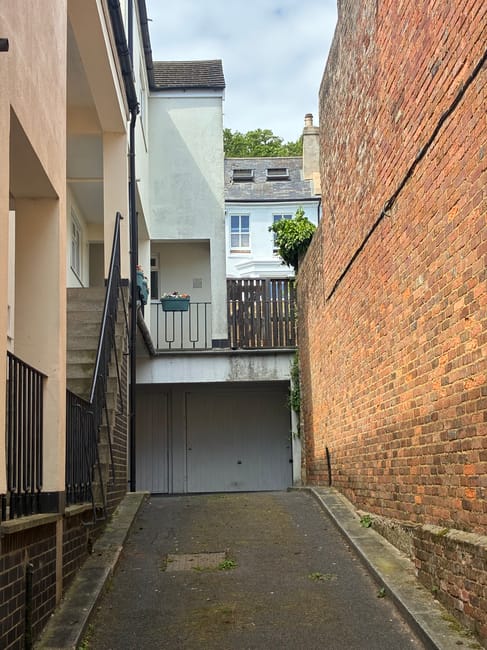
Narrow streets and stair carries in Pimlico: safe solutions
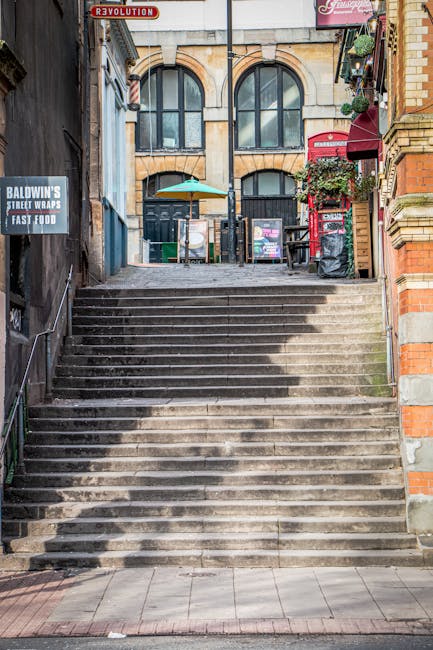
Pimlico has a charm that you notice almost immediately: elegant terraces, compact streets, older buildings, and the kind of access that can make moving day feel a bit like a puzzle. If you are dealing with narrow streets and stair carries in Pimlico, safe solutions are not just about getting items from A to B. They are about protecting your belongings, keeping people safe, and making the whole move feel manageable rather than chaotic. Truth be told, the awkward part is often not the distance. It is the doorway, the landing, the tight turn, the parked van, the rain on the pavement, and the one sofa that seems to have grown overnight.
This guide walks through what stair carries and tight-access moves really involve, why they matter in Pimlico, and how to plan them properly. You will also find practical checklists, useful comparisons, and realistic advice for homes, flats, and businesses. If you are arranging a move and want a smoother experience, you may also find it helpful to explore flat removals, small removals, and man and van support for tighter access jobs.
- Why it matters
- How it works
- Key benefits
- Who needs this
- Step-by-step guidance
- Expert tips
- Common mistakes
- Tools and resources
- Compliance and best practice
- Options and comparison
- Real-world example
- Checklist
- Conclusion
- Frequently asked questions
Why Narrow streets and stair carries in Pimlico: safe solutions Matters
Pimlico's streets and properties can be wonderfully picturesque, but they are not always forgiving for moving large, awkward, or fragile items. Narrow roads limit parking, staircases can be steep or winding, and many older buildings have tight hallways, small lifts, or no lift at all. That changes the entire moving plan.
Safe solutions matter because the risks stack up quickly. A rushed carry on a narrow staircase can lead to scuffed walls, damaged furniture, strained backs, and a very stressful day. A van parked badly in a tight road can disrupt neighbours or create an unsafe loading point. Even something as simple as timing can matter. In the morning rush, or when the street is busier than expected, you may find that what looked straightforward on paper becomes complicated in real life.
There is also a practical side to this. When access is awkward, the method you choose has a direct impact on cost, time, and the number of people needed. A move that would be fine in a wide suburban driveway might need more planning in Pimlico, where stair carries and careful loading are part of the normal rhythm. You do not want to be improvising at the front door with a wardrobe half out of a stairwell. Nobody enjoys that moment.
Expert summary: In tight-access London moves, the safest option is usually the one that reduces handling, protects stairways and walls, and gives the crew enough room and time to work properly.
If you are weighing up whether to move everything yourself or use help, it can be useful to read about removals and local removals, especially if your move involves multiple trips, narrow front steps, or a lot of lifting.
How Narrow streets and stair carries in Pimlico: safe solutions Works
A safe tight-access move starts before anyone picks up a box. The first stage is assessing the property and the route. That means checking street width, parking options, staircase layout, turns, door heights, handrails, and any awkward features like low ceilings or sharp corners. A good plan is simple in principle: remove guesswork before moving day.
Once the access is understood, the team can decide how to break down the job. In many Pimlico buildings, the smartest approach is to use smaller carrying teams, distribute weight carefully, and move items in a sequence that keeps the stairwell clear. That can mean taking furniture apart, protecting edges, using blankets, and moving items one at a time rather than trying to force a large load through a narrow space.
For stair carries, technique matters more than brute strength. Good movers keep a clear line of communication, match their pace, and use controlled turns on landings. On tight staircases, it is often better to pause and reset than to push through a bad angle. A sensible pause is not a delay. It is prevention.
Street-side planning matters too. In Pimlico, a van may need to wait where loading is possible, then the move happens in stages. Sometimes the shortest route is not the safest route. Sometimes a slightly longer carry from a better stopping point is the smarter option, because it reduces risk and gives everyone more room to work.
For delicate items, the safe solution may also involve storage. If your home is still being prepared, or you simply cannot safely bring everything up multiple flights of stairs on the same day, furniture storage and secure storage can reduce pressure and make the move much more controlled.
Key Benefits and Practical Advantages
There are plenty of reasons to take narrow streets and stair carries seriously, and most of them are practical rather than dramatic. Still, those practical gains add up fast.
- Less risk of damage: Carefully planned carries reduce knocks, scrapes, and accidental drops on stairs or railings.
- Better protection for people: Proper lifting technique and the right team size lower the chance of back strain or trips.
- More predictable timing: When access is mapped out, the day runs more smoothly and with fewer surprises.
- Cleaner building protection: Stair carpets, bannisters, and walls can be protected with wraps, covers, or blankets.
- Less neighbour disruption: Good parking and loading planning helps keep doorways, pavements, and shared spaces clear.
- Better use of storage or split moves: In some cases, not moving everything at once is the safest and easiest option.
There is also a peace-of-mind benefit. You will notice it quickly when the move starts going to plan. Boxes are being carried steadily, furniture is moving without drama, and the stairwell is not turning into a traffic jam. That calm is worth a lot, especially in an older building where one awkward turn can set the whole day off rhythm.
For business or home moves with extra paperwork, archiving, or sensitive items, it may make sense to look at document storage or office storage so that only the essential items are moved through tight access.
Who This Is For and When It Makes Sense
This kind of planning is useful for a lot of people, not just those moving from top-floor flats. Pimlico's built environment means tight access can affect all sorts of moves.
- Flat renters and leaseholders moving in or out of upper-floor properties without lift access.
- Families moving household furniture, prams, appliances, and boxed belongings through narrow staircases.
- Students with compact loads, awkward access, and usually not much time to spare.
- Small businesses relocating stock, filing cabinets, or desks in older office buildings.
- Landlords and agents arranging turnarounds between tenancies where access is tight and schedules are tight too.
- Anyone with bulky or fragile items like wardrobes, mirrors, artwork, or large tables.
It makes sense whenever a move has one or more of the following: steep stairs, no lift, narrow front steps, limited loading space, awkward turning points, or a building where a large van would block access. If that sounds familiar, it probably is. To be fair, most people only realise how tight the access is after they try to carry a sofa halfway up the stairs.
If the job is small but fiddly, small removals can be a better fit than a full-scale move, while student storage may help if you need to clear space between terms or before a change of address.
Step-by-Step Guidance
Here is the approach that tends to work best when the street is narrow and the stairs are not exactly generous.
- Survey the access properly. Check the road, the entry point, the staircase, any lifts, and the turning space at each landing. Do not assume you can wing it.
- List the awkward items first. Sofas, wardrobes, mattresses, washing machines, mirrors, and office furniture usually decide the whole move.
- Measure before moving day. Measure large items and compare them against doorways, stair widths, and tight corners. It sounds basic, but this is where many problems start.
- Decide what should be dismantled. Bed frames, tables, shelving, and some wardrobes often travel better in parts.
- Protect the route. Use covers for bannisters, floor protection, and padding for sharp corners or delicate edges.
- Plan the load sequence. Put the easiest items in first, then the most awkward ones, so the crew does not end up blocked by the biggest piece last.
- Keep the stairwell clear. One item at a time is usually better in tight spaces. It is slower on paper, but much safer in practice.
- Use a sensible parking plan. The van should be positioned so the carry is safe, legal, and not unnecessarily long.
- Check insurance and responsibilities. Make sure you know who is handling what, especially if the building has rules or the item is valuable.
- Leave a buffer. Tight-access moves rarely go perfectly to the minute. A small time cushion helps enormously.
A quick real-world example: if a two-bedroom flat in Pimlico has a narrow staircase and a shared entrance hall, the safest approach may be to dismantle the bed, wrap the wardrobe doors, and move the sofa before the boxes. That way the stairwell remains usable and the heavy item is handled while everyone is still fresh. It is a small detail, but it changes the mood of the day.
Expert Tips for Better Results
These are the kinds of little adjustments that make a surprisingly big difference.
- Use the right number of people. Two movers may be enough for boxes, but a long wardrobe or heavy cupboard often needs more control, not more speed.
- Wrap before you lift. Padding an item at the door is too late. Wrap it before it gets near the stairs.
- Think about angles, not just weight. A light item can still be awkward if it has to twist around a landing.
- Watch the weather. Rain makes pavements slick and carrying heavier. On a grey London morning, a damp stairwell is no joke.
- Communicate clearly. Short instructions work best: stop, lift, turn, pause. No long speeches. Nobody needs them at the top of a staircase.
- Remove trip hazards first. Shoes, loose mats, bins, and open bags can all get in the way during the carry.
There is also a clever bit of planning that many people miss: decide what you do not need to move. A few items might be better sold, donated, recycled, or stored. If you are between properties or working around a delayed completion, short-term storage can make life much easier. For longer transitions, long-term storage may be the calmer option.
And one more thing. If something feels too tight, it probably is. Trust that instinct. Moving day is not the moment to prove a point to a staircase.
Common Mistakes to Avoid
Most problems with tight-access moves are avoidable. The mistake is usually not a dramatic one. It is a small assumption made too early.
- Underestimating the staircase. A staircase can look manageable until the furniture reaches the first turn.
- Forcing oversized items through. If something does not fit safely, do not try to persuade it with extra pressure.
- Skipping measurements. Relying on memory or guesswork is risky, especially with older properties.
- Poor parking choices. A bad stop can add distance, stress, and safety issues all at once.
- Not protecting walls and bannisters. One knock can leave a mark that is very visible in a narrow hallway.
- Leaving boxes in the stairwell. That creates a bottleneck and a hazard.
- Moving heavy items when tired. Late in the day, judgement gets sloppy. It happens to everyone, frankly.
A lot of these mistakes are avoidable simply by slowing down at the right moment. Not everywhere. Just at the decision points. That small discipline is often what separates a smooth move from an exhausting one.
Tools, Resources and Recommendations
You do not need fancy equipment, but the right basics make tight-access work safer and neater.
| Tool or resource | What it helps with | Why it matters in Pimlico |
|---|---|---|
| Furniture blankets | Protecting edges, doors, and finishes | Prevents scuffs in narrow hallways and stairwells |
| Ratchet straps and tie-downs | Securing items in transit | Useful when the van stop-and-starts are frequent |
| Protective covers | Shielding bannisters, floors, and corners | Older buildings deserve extra care, simple as that |
| Labels and room plans | Keeping the move organised | Speeds things up when the stair carry is already demanding |
| Dismantling tools | Breaking down furniture safely | Makes awkward pieces more manageable through tight access |
| Storage options | Reducing the amount moved on the day | Ideal when timing, access, or renovations complicate the move |
Where service choice is concerned, it often helps to pair moving support with storage rather than trying to force everything into one day. Removals and storage can be a practical middle ground, and if you need to move home items before your new place is ready, household storage can take a lot of pressure off.
For more detail on moving support and what a careful provider should prioritise, you can also review the company's health and safety policy and insurance and safety information. Those pages are useful for understanding expectations before the first box is lifted.
Law, Compliance, Standards, or Best Practice
When moving through narrow streets and up stairs, the legal and practical responsibilities are mostly about safety, care, and sensible working methods. In the UK, businesses involved in removals are generally expected to manage manual handling carefully, protect workers from avoidable strain, and take reasonable steps to prevent damage or injury. That may sound obvious, but it is where good moving practice starts.
Best practice usually includes a proper assessment of the access route, safe lifting methods, communication between movers, and clear planning around loading points. If a building has shared entrances, strict access rules, or vulnerable surfaces, those details should be respected rather than treated as minor issues. They are not minor when you are halfway up the stairs with a wardrobe.
Insurance is another practical point. It is wise to understand what is covered, what is excluded, and what the customer is expected to declare in advance. If an item is unusually valuable or unusually awkward, say so early. That honesty saves hassle later.
For businesses, there is also a duty to keep documents, stock, and equipment secure while moving. Sometimes that means using business storage or office removals support so the move can happen in stages without overloading the stair carry.
If you want to understand how a provider handles its obligations, the pages on about us, terms and conditions, and insurance and safety are worth a look. Not exciting reading, perhaps, but helpful. And often revealing.
Options, Methods, or Comparison Table
Not every tight-access move should be handled the same way. The best method depends on the item, the staircase, the road, and the timing.
| Method | Best for | Strengths | Trade-offs |
|---|---|---|---|
| Full carry with a trained team | Heavy furniture, multiple floors, difficult staircases | Controlled, efficient, and safer for large items | Needs more planning and enough hands on site |
| Breakdown and rebuild | Wardrobes, tables, beds, shelving | Makes large items easier to move through narrow access | Takes extra time and requires careful assembly later |
| Staged move with storage | Busy schedules, delayed access, partial moves | Reduces pressure on stair carries and timings | Requires an extra stop and some planning |
| Small-van or man-and-van approach | Compact loads, limited parking, short notice | Flexible in tight streets and easy to adapt | May need multiple trips for larger loads |
| All-in-one removals and packing | Busy households, fragile items, time-poor moves | Less stress and better organisation | Costs more than doing it yourself, but not always by much |
In many Pimlico situations, the best answer is a mix of methods rather than one single approach. For example, packing assistance, a smaller vehicle, and short-term storage can be a very sensible combination. It is not glamorous, but it works.
Case Study or Real-World Example
A realistic Pimlico move might look like this: a couple is leaving a second-floor flat with a narrow stairwell, a shared entrance, and a street where parking is tight from early morning. They have a sofa, a bed frame, a dining table, and a stack of boxes that seemed modest when packed and suddenly seem very numerous when standing by the door.
Instead of trying to move everything in one rush, the team first checks the access route and identifies the sofa as the biggest challenge. The bed frame is dismantled the day before. The table legs are removed. Fragile items are boxed separately. The movers protect the bannister and corners, then carry the sofa while the stairwell is clear and the timing is calm rather than frantic.
Halfway through, they realise two boxes of books are heavier than expected. Classic. So those are split into smaller loads before the second run. The move takes longer than a fantasy version of the job, but it stays controlled. No damage. No strain. No awkward silence in the hallway while someone tries to rotate a sofa by brute force.
That is really the point. Safe solutions are not about perfection. They are about making sensible choices in a setting that rewards patience. In practice, that means fewer surprises, better handling, and a better end result for everyone involved.
Practical Checklist
Use this checklist before moving day. It is deliberately simple.
- Measure large furniture and check stair widths, landings, and doorways.
- Confirm where the van can safely stop and load.
- Identify any items that should be dismantled before the move.
- Wrap fragile items and protect furniture edges early.
- Clear hallways, stairs, and entrances of trip hazards.
- Decide whether any items should go into storage first.
- Label boxes by room and priority.
- Keep essential items separate for easy access on arrival.
- Make sure building access rules are understood in advance.
- Choose a move time that allows a little breathing room.
If your move is still evolving, a small pause can help. Use it. A calmer plan is usually a safer plan.
Get a free quote today and see how much you can save.
Conclusion
Narrow streets and stair carries in Pimlico are manageable when they are treated with proper care, not optimism alone. The safest solutions usually combine good access planning, the right carrying method, sensible protection for the property, and a willingness to use storage or smaller move options when that makes the job safer. That is the practical heart of it.
If you are preparing a move in Pimlico, start with the access rather than the boxes. Measure, plan, strip out the unnecessary friction, and keep the route clear. It makes the whole day feel less like a scramble and more like a process. Not always easy, granted. But definitely easier when handled well.
And when the last item is finally in place, that quiet sense of relief is worth everything. One careful move at a time.
Frequently Asked Questions
What are narrow streets and stair carries in Pimlico?
They refer to moving furniture or boxes through tight streets, limited parking areas, and staircases that are steep, narrow, or awkward to turn on. In Pimlico, that is a common moving challenge.
Why do stair carries need special planning?
Because stairs add physical risk, time pressure, and damage potential. Without planning, even a standard sofa or wardrobe can become difficult to move safely.
Are small removals better for tight Pimlico streets?
Often, yes. Smaller loads can be easier to manage in narrow roads and shared entrances, especially when access is limited or parking is tight.
Should furniture be dismantled before a stair carry?
Usually, if it can be done safely. Dismantling large pieces often reduces risk, makes turns easier, and protects both the item and the staircase.
How do movers protect walls and bannisters?
They may use blankets, covers, and padding to reduce scuffs and knocks. Good protection is especially useful in older Pimlico buildings where entrances can be close together.
What if my flat has no lift?
That is exactly when stair-carry planning matters most. A careful route check, the right number of movers, and sensible item preparation make a big difference.
Can storage help with a difficult move?
Yes. Storage can split the move into smaller steps, which is often safer when stairs, timing, or access are awkward. Short-term or long-term options may both be useful depending on your situation.
How do I know if a van can park nearby?
You will need to check the road layout, loading space, and any local restrictions before moving day. In narrow streets, that detail can shape the whole job.
What items are hardest to move on stairs?
Wardrobes, sofas, mattresses, fridges, washing machines, large desks, and heavy boxes of books tend to be the trickiest because of size, weight, or awkward shape.
Is it safer to move items myself or hire help?
For awkward access, trained help is usually safer. Manual handling on stairs is demanding, and a second pair of hands can reduce strain and improve control.
What should I ask before booking a tight-access move?
Ask how access will be assessed, whether items can be dismantled, what protection will be used, and whether storage or smaller-van support is available if needed.
How far in advance should I plan a move in Pimlico?
As early as you can, especially if the property has narrow stairs or limited loading space. Even a few extra days can make measurements, packing, and access checks much easier.