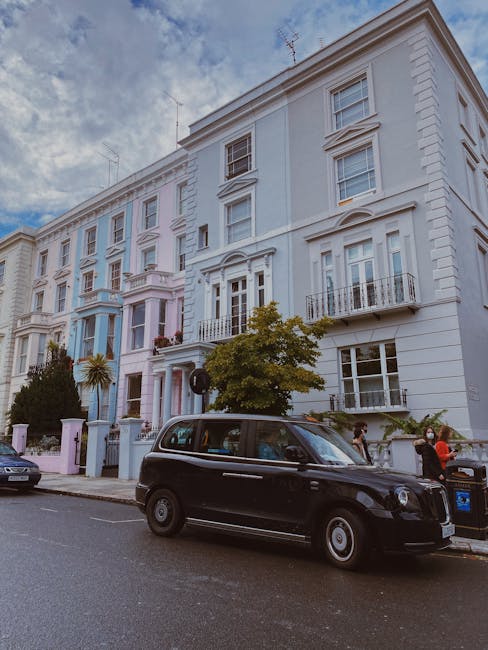
Moving to a flat near Tate Britain: Pimlico checklist
Moving into a flat near Tate Britain can feel exciting in that very London way: a bit glamorous, a bit practical, and just slightly chaotic if you leave the details too late. Pimlico has its own rhythm too - elegant terraces, quieter residential streets, and the everyday reality of parking bays, lift access, stairwells, and narrow roads that can make a move smoother or harder depending on how well you plan. This guide gives you a proper Moving to a flat near Tate Britain: Pimlico checklist so you can settle in without the last-minute scramble.
Whether you are moving solo, with a partner, or coordinating a family move, the key is to think locally. A good move in Pimlico is not just about boxes and van hire. It is about timing, access, building rules, neighbours, transport links, and the small practical things that make the first week feel manageable rather than frantic. You know the feeling: you arrive with a kettle, a few hangers, and a dozen unanswered questions. Better to have those questions sorted beforehand.
This article walks you through why the checklist matters, how to use it, what to watch out for, and what a realistic moving process looks like in this part of Westminster. If you are still comparing areas or planning the wider move, it may also help to read about living in Pimlico, our London removals service, and professional packing help so you can line everything up in good time.
Table of Contents
- Why Moving to a flat near Tate Britain: Pimlico checklist Matters
- How Moving to a flat near Tate Britain: Pimlico checklist Works
- Key Benefits and Practical Advantages
- Who This Is For and When It Makes Sense
- Step-by-Step Guidance
- Expert Tips for Better Results
- Common Mistakes to Avoid
- Tools, Resources and Recommendations
- Law, Compliance, Standards, or Best Practice
- Options, Methods, or Comparison Table
- Case Study or Real-World Example
- Practical Checklist
- Conclusion
- Frequently Asked Questions
Why Moving to a flat near Tate Britain: Pimlico checklist Matters
A move near Tate Britain is not like a generic London relocation. The area sits within a busy central setting, close to Westminster and well connected by public transport, but that convenience comes with some real-world complications. Flats in Pimlico can be period conversions, mansion blocks, or modern apartments with different access arrangements. Some have lifts; some don't. Some have concierge teams; others require you to coordinate entry with a managing agent. Some streets are simple for loading; others are tight, controlled, or awkward at the best of times.
A checklist gives you structure. More importantly, it keeps the move human-sized. Instead of trying to remember everything on the day, you work through the essentials: utilities, keys, route planning, parking permissions, building notices, and the first-night basics. That reduces stress and makes the move safer for your belongings and your sanity. To be fair, a missing screwdriver or an inaccessible loading bay can create more drama than they should.
It also matters because central London moves tend to involve other people: building managers, neighbours, landlords, agents, and sometimes parking or access rules that need attention in advance. If your move is into a managed property, the right preparation can save you from delays, extra carrying, or unpleasant surprises when the van turns up. That is the kind of hassle nobody wants at 8am with a wardrobe half out of the van.
If you want the wider logistics side handled properly, the guide on furniture removals is a useful place to start, especially if you are bringing larger items into a compact flat.
How Moving to a flat near Tate Britain: Pimlico checklist Works
The checklist works best as a staged process, not a single list you glance at the night before. In practice, you want to move through three phases: planning before the move, preparation in the final week, and settling in during the first few days. That way you avoid the classic trap of doing all the mental work at the same time as the physical lifting. Bad idea. Really bad idea.
The first phase is about understanding the property and its constraints. Check the lease or tenancy paperwork, ask about building access, confirm if there are restrictions on moving times, and work out where the van can park safely. In some Pimlico streets, even a short loading stop needs proper thought. If the property has shared entrances or a concierge, ask how keys, fobs, and lift bookings work. Sounds obvious, but people miss this all the time.
The second phase is packing and coordination. In a flat near Tate Britain, space is often at a premium, so efficient packing matters more than in a suburban house move. Box sizes should be practical, heavier items kept manageable, and fragile items clearly labelled. If you are using a removal company, make sure they know about stairs, narrow hallways, basement access, or anything else that could slow down the job. A good team can adapt; they just need the facts early.
The final phase is the landing stage. This is where you confirm utilities, take meter readings, test appliances, locate shut-off points, and make the flat liveable quickly. A fresh move can feel much calmer when you can boil a kettle, find the broadband router, and open the right drawer on the first evening. Small wins matter. They really do.
Key Benefits and Practical Advantages
A proper checklist does more than keep you organised. It can reduce cost, protect your belongings, and lower the emotional load of moving day. That last one gets overlooked. The emotional load is real, especially in central London where time pressure and access constraints can turn a straightforward move into a bit of a scramble.
Here are the main advantages:
- Fewer delays: you are less likely to be held up by missing keys, unclear access, or parking problems.
- Less damage risk: better packing and clear labelling reduce the chance of breakages or scuffed furniture.
- Better use of van time: when everything is ready, crews can load and unload efficiently.
- Less stress on the day: you do not spend the move making decisions from scratch.
- Smoother first week: utilities, internet, and essentials are easier to get running quickly.
There is also a local advantage. Pimlico is a neighbourhood where a little planning goes a long way. A move that works well here tends to be one that respects the building, the street, and the time of everyone involved. That might mean booking a lift slot, using a smaller vehicle for a tighter road, or arranging the move outside the busiest periods. It is not glamorous, but it is smart.
For homeowners or landlords dealing with property transitions, the information on end of tenancy cleaning and after builders cleaning can also be helpful when a flat needs to be left spotless or made ready for the next stage.
Who This Is For and When It Makes Sense
This checklist is for anyone relocating to a flat near Tate Britain, whether you are renting, buying, or moving between temporary and longer-term homes. It is especially useful if you are:
- moving into a period conversion or apartment block with shared access
- dealing with a tight moving window
- bringing furniture into a smaller flat and need to be selective
- managing a move while working full-time or coordinating family schedules
- new to central London and unsure about parking, access, or loading rules
It also makes sense if you are not fully sure how much help you need. Some people can handle a small move with a van and a few friends, but many central London flats are trickier than they look on paper. Stairs, parking, awkward corners, and strict building rules have a way of showing up at the worst time. If that sounds familiar, a structured plan is worth its weight in tea bags.
And if you are choosing between doing it yourself and using professionals, the decision often comes down to time, access, and how much fragile or bulky furniture you own. One sofa in a narrow stairwell can become a whole afternoon. Truth be told, that is usually how it starts.
Step-by-Step Guidance
1. Confirm the property details first
Before you book anything, confirm the flat's exact access details. Ask whether there is a lift, whether it is functioning on your move date, whether there are stairs, and where the nearest loading point is. If the building has a concierge or managing agent, ask what notice they need. A quick email here can save a lot of later annoyance.
Also check whether any furniture dimensions are likely to be a problem. Victorian and Edwardian conversions can have surprisingly awkward hallways. A wardrobe that looked fine online can become a drama on arrival. Happens all the time.
2. Map the moving route and parking plan
In central London, route planning is not optional. Think about traffic timing, road restrictions, and where the vehicle can safely stop. If you are using a removal company, share the destination details early so they can plan properly. If you are handling the move yourself, make sure your van hire matches the property access. Bigger is not always better. Sometimes a smaller vehicle is the sensible choice.
It is also worth checking if the street is busy at school drop-off, during commuter hours, or around lunchtime. A move that starts at the wrong time can drag on for hours. Better to begin earlier, when the roads are usually a little calmer.
3. Sort your packing room by room
Pack with destination in mind, not just by what fits in a box. Label boxes by room and priority, such as "kitchen essentials", "bedroom first night", or "bathroom immediate use". In a compact flat, this matters because you need to get the basics accessible quickly. You do not want to be hunting for cutlery while standing in a hallway full of boxes.
Keep one bag or box separate with essentials:
- phone chargers
- toiletries
- spare keys
- medication
- snacks and water
- tea or coffee stuff, obviously
- basic cleaning items
4. Take care of utilities and services
Set up or transfer utilities before moving day if possible. Gas, electricity, water, council tax, broadband, and any parking or permit-related issues should all be on your radar. This part is boring, yes, but boring things are often the ones that make the biggest difference once you arrive.
Do not forget to take meter readings on the day you move in. Make a note, take a photo, and keep it somewhere easy to find. If your new home has appliances you have not used before, ask how they work before the boxes start taking over the floor.
5. Plan your first night properly
The first night is about comfort, not perfection. Make beds early. Find the kettle. Unpack the basics for the bathroom and kitchen. If you have a lovely view, enjoy it for a minute. Then get the bins and recycling sorted, because central London flats can become cluttered very quickly if you leave packaging lying around.
A tiny but useful tip: keep a light on in the main room and another in the bedroom while you unpack. It makes the flat feel less boxed-in, especially if you are moving at dusk or on a grey London evening.
Expert Tips for Better Results
There are a few things experienced movers and property managers tend to do that make life easier. None of them are flashy. They just work.
- Measure doorways and stair turns: especially for beds, sofas, and wardrobes.
- Protect floors and corners: common areas and new floors can be vulnerable during a move.
- Use clear labelling: one label on the top and one on the side is better than one tiny scribble.
- Keep hardware together: screws, fittings, and small parts should stay in one marked bag.
- Book help for heavy items: a piano, large mirror, or superking mattress is not a "quick favour" item.
Another good habit is to prepare for the awkward half-hour when everything has arrived but nothing is quite where it should be. Put all important paperwork, keys, and devices in one grab bag. That way you are not opening the wrong box while the delivery person is asking where the sofa should go. Slightly chaotic? Sure. But manageable.
If you want support with the actual lifting and transport, the page on same-day removals can be useful when timing is tight, and flat removals is particularly relevant for apartment moves with stair or lift considerations.
Common Mistakes to Avoid
The most common mistakes are not dramatic. They are small, ordinary oversights that create bigger issues later. And because they are ordinary, people repeat them.
- Leaving access questions until the day before: this is how delays begin.
- Assuming a van can stop anywhere: central London does not reward assumption.
- Overpacking boxes: a heavy box may look efficient, but it is awkward to carry and more likely to break.
- Not checking building rules: some blocks require notice, lift booking, or protective measures.
- Forgetting the first-night essentials: when it is late and you are tired, you will regret this one.
- Trying to move everything in one sweep without a plan: that usually leads to clutter and frustration.
One of the biggest hidden mistakes is failing to think about the flat itself. A home near Tate Britain may be lovely, but lovely does not always mean roomy. If you have more furniture than floor space, consider whether some items are worth keeping. Sometimes the smartest move is not to bring every single piece. Painful, yes. Useful, also yes.
Also, do not underestimate the weather. A rainy London day, a wet pavement, and cardboard boxes are not a charming trio.
Tools, Resources and Recommendations
You do not need a mountain of equipment, but a few good tools make a big difference. Here is a practical list to have in mind:
- Measuring tape: for doors, furniture, and awkward gaps.
- Stackable boxes: easier to carry and less likely to collapse.
- Furniture blankets or wraps: useful for protecting corners and polished surfaces.
- Marker pens and labels: simple, reliable, and worth having plenty of.
- Trolley or sack truck: especially helpful in blocks with lifts or longer internal corridors.
- Basic toolkit: for bed frames, shelving, and minor adjustments.
As for services, think in terms of fit rather than price alone. A well-matched service is often better value than the cheapest option that cannot handle stairs, parking, or timing properly. If you are unsure, ask clear questions about access, insurance, loading assistance, and whether the team is familiar with flat moves in central London.
Useful related pages include man and van options for smaller moves and secure storage solutions if you are staging your belongings or waiting for keys.
Law, Compliance, Standards, or Best Practice
For a move in Pimlico, compliance is mostly about practical best practice and respecting local rules rather than anything overly dramatic. That said, a few areas deserve attention. If you are parking a moving vehicle, make sure you understand local parking restrictions and whether a permit or suspension is needed. Westminster streets can be busy and rules can vary depending on the location and time of day.
If you live in a managed building, check the lease, tenancy agreement, or building handbook for moving-day conditions. Some properties require advance notice, elevator booking, floor protection, or specific moving windows. These are not just suggestions; they may be part of the building's operational rules.
It is also wise to handle personal belongings, shared corridors, and communal spaces with care. Protecting walls, leaving fire exits clear, and avoiding obstruction are all common-sense steps that align with standard best practice in multi-occupancy buildings. If you are using professional movers, a reputable team should already understand these expectations, but a quick reminder never hurts.
For anyone moving out of a rented flat, cleaning standards and inventory expectations can matter too. If that applies, the page on specialist removals support may be less relevant than domestic cleaning or a move-out cleaning service, depending on what your property manager expects. Keep an eye on the paperwork. It saves headaches later.
Options, Methods, or Comparison Table
Different moving methods suit different kinds of flats and different levels of stress tolerance. A quick comparison helps.
| Method | Best for | Strengths | Limitations |
|---|---|---|---|
| DIY van move | Small moves with few bulky items | Flexible, can be cost-conscious | More physical effort, more planning needed, parking risks |
| Man and van | One-bedroom flats, lighter loads | Simple and often efficient for central London | May not suit large furniture or complex access |
| Full removal service | Busy households, larger flats, fragile items | Less stress, better handling of logistics | Usually more involved to arrange |
| Split move with storage | Waiting for keys or decluttering first | Useful when dates do not line up neatly | Requires extra coordination and possibly additional cost |
In a flat near Tate Britain, a full service or a well-planned man and van setup is often the better fit than a purely improvised DIY move. That is not because DIY is impossible. It is because central London access can be fussy, and fussy is where time disappears.
Case Study or Real-World Example
Consider a straightforward example. A couple moves into a second-floor flat near Pimlico after renting a one-bedroom conversion with no lift. They have a sofa, a bed, two bookcases, a dining table, and the usual collection of boxes that seem light until you actually lift them. They initially think one small van and a few friends will do it.
On a closer look, they realise the stairwell turns sharply halfway up, the street has tight loading options, and the building manager wants notice before anyone blocks the entrance. They also notice the bed frame will need to be dismantled. So they change tack: they book a service suited to flat moves, pack by room, label essentials separately, and arrange the move for an earlier window when traffic is lighter.
The result is not magical, just sensible. The boxes get in faster, the furniture is carried more safely, and they are able to make the beds and find the kettle before evening. Nothing dramatic. No heroics. Just a calm move that feels manageable instead of overwhelming. That is often the real win.
It is a good reminder that the best moving plan is usually the one that respects the building, the street, and the actual size of your belongings. Not the fantasy version. The real one.
Practical Checklist
Use this checklist as your working guide in the final weeks and on moving day. Tick things off as you go. Simple, but very effective.
- Confirm moving date and access: check building rules, lift use, and arrival windows.
- Measure key furniture: sofas, beds, wardrobes, and anything bulky.
- Plan parking or loading: identify where the vehicle can stop safely and legally.
- Notify the building manager or concierge: give notice if required.
- Book van or movers: choose the option that matches access and volume.
- Pack room by room: label boxes clearly and keep the essentials separate.
- Arrange utilities: electricity, gas, water, council tax, broadband.
- Take meter readings: photograph them for your records.
- Prepare a first-night bag: chargers, toiletries, bedding, snacks, and documents.
- Protect items and surfaces: use wraps, blankets, and floor protection where needed.
- Check keys and fobs: make sure you have everything before the van arrives.
- Test essentials on arrival: lights, heating, water, and appliances.
- Break down boxes quickly: keep communal areas clear and tidy.
Expert summary: A successful move near Tate Britain is usually won before moving day, not during it. Clear access details, realistic packing, and a sensible route plan do more for your sanity than rushing ever will.
Conclusion
Moving into a flat near Tate Britain should feel like a fresh chapter, not a logistics puzzle with missing pieces. The best results come from treating the move as a series of small, manageable decisions: confirm access, plan the route, pack carefully, and make the first night easy on yourself. In Pimlico, where streets, building layouts, and parking can all affect the process, a thoughtful checklist is not overkill. It is the sensible way to protect your time and your belongings.
If you prepare well, the move becomes much calmer. You arrive, you settle, and before long you are not thinking about boxes at all. You are looking out at the street, hearing the ordinary sounds of the neighbourhood, and slowly making the flat yours. That part matters just as much as the move itself.
Get a free quote today and see how much you can save.
Frequently Asked Questions
What should be on a Pimlico moving checklist for a flat near Tate Britain?
Your checklist should cover access, parking, building rules, packing, utilities, key collection, and first-night essentials. If the flat has stairs, a lift, or a concierge, include those details too.
How early should I book movers for a flat in Pimlico?
As early as you reasonably can, especially if your move needs a specific time slot, parking coordination, or help with furniture. Central London dates can fill up quickly, and access constraints often narrow the options.
Do I need to tell the building manager before moving in?
Often, yes. Many managed buildings expect notice for move-ins and move-outs, especially where lifts, loading areas, or shared entrances are involved. It is best to check the building instructions or lease first.
Is it harder to move into a flat near Tate Britain than into a house?
Usually, yes, because flats often involve stairs, shared entrances, tighter parking, and more building-specific rules. The upside is that flats are often easier to settle into once the boxes are inside. There's less to carry around, at least eventually.
What is the best way to pack for a small flat?
Pack room by room, label everything clearly, and keep heavy items in smaller boxes. In a compact flat, space is limited, so prioritise what you will need on day one and keep that separate.
Should I hire a man and van or a full removals team?
It depends on how much you are moving, how awkward access is, and how much help you want. A man and van can be ideal for smaller loads, while a full removals team is usually better for larger or more complex flat moves.
What should I do if the flat has no lift?
Tell your movers early, measure furniture carefully, and consider whether some items should be dismantled before the move. No-lift flats are manageable, but they need more planning and realistic expectations.
How can I avoid parking problems on moving day?
Check local restrictions in advance, identify loading points, and confirm whether your vehicle can stop safely and legally near the property. If necessary, ask the building manager or movers what is usually done on that street.
What are the first things to set up when I arrive?
Start with keys, lights, heating, water, and the kettle. Then unpack bedding, toiletries, and anything needed for your first evening. A calm first night goes a long way.
Are there special compliance issues for moving in central London?
The main issues are usually parking, access, and building rules rather than anything highly technical. Follow property instructions, keep common areas clear, and make sure any vehicle use is lawful and practical for the street.
How do I know if my sofa or bed will fit through the flat entrance?
Measure the item and compare it with the doorway, hallway, and stair turns. If the item is bulky, measure the route as well, not just the door. This one step prevents a lot of frustration.
What if I need storage before moving into my new flat?
Storage can help if your dates do not line up neatly, if the flat is not ready yet, or if you want to reduce clutter before settling in. It can make a central London move much less rushed.
What is the most common mistake people make when moving into a Pimlico flat?
Assuming access will be straightforward. In reality, one awkward stairwell, a parking restriction, or a lift booking issue can change the whole moving plan. A quick check beforehand prevents a lot of grief.