Moving Tips for Churchill Gardens Estate Residents, Pimlico
Moving home in a large estate like Churchill Gardens can feel straightforward at first, until the practical details start piling up. Lift access, parking, timing, neighbours, fragile items, final meter reads, and the simple question of where everything actually goes on the day can turn a normal move into a very long one. The good news is that a calm, well-planned approach makes a huge difference.
This guide to Moving Tips for Churchill Gardens Estate Residents, Pimlico is designed to help you plan sensibly, avoid common mistakes, and stay in control from the first box to the final clean-up. Whether you are moving within the estate, relocating elsewhere in Pimlico, or leaving the area altogether, the same fundamentals apply: plan early, label properly, protect shared spaces, and make the moving team's job as efficient as possible.
For broader planning support, you may also find our removals service overview useful, especially if you want to compare different moving options before you commit.
Table of Contents
- Why Moving Tips for Churchill Gardens Estate Residents, Pimlico Matters
- How Moving Tips for Churchill Gardens Estate Residents, Pimlico Works
- Key Benefits and Practical Advantages
- Who This Is For and When It Makes Sense
- Step-by-Step Guidance
- Expert Tips for Better Results
- Common Mistakes to Avoid
- Tools, Resources and Recommendations
- Law, Compliance, Standards, or Best Practice
- Options, Methods, or Comparison Table
- Case Study or Real-World Example
- Practical Checklist
- Conclusion
- Frequently Asked Questions
Why Moving Tips for Churchill Gardens Estate Residents, Pimlico Matters
Churchill Gardens is a busy residential estate, and that matters because moving day is not just about your own flat. You are also sharing paths, entrances, lifts, stairwells, courtyards, and loading areas with other residents. A move that is poorly timed or badly organised can create avoidable friction very quickly. A move that is planned well feels almost invisible to everyone else, which is exactly what you want.
Local estates often have practical constraints that can make moving more complex than a standard street-level house move. Access may be limited, parking can be tight, and long carries from van to flat can add time and cost. If you are moving from a higher floor or from a flat with shared access, those details matter even more. That is why a local, estate-aware approach is useful. It keeps the move efficient and reduces stress for everyone involved.
There is also a financial angle. Every unnecessary delay can mean extra labour time, more van time, or extra handling risk. A broken lamp, a missing box, or a blocked route may seem minor in the moment, but on moving day those small issues have a habit of multiplying. Planning ahead saves money as well as effort. That is the part people often underestimate.
If you want a broader sense of the service options available in the area, our Pimlico removals page gives a useful local overview before you decide how much help you need.
How Moving Tips for Churchill Gardens Estate Residents, Pimlico Works
At its core, this approach is simple: reduce uncertainty before moving day arrives. Instead of treating the move as a single event, break it into manageable stages. First comes planning, then packing, then access arrangements, then the physical move itself, and finally the settling-in process. Each stage has its own risks, and each stage can be improved with a few deliberate choices.
For Churchill Gardens residents, the most important thing is to think in terms of building logistics rather than just household logistics. Ask yourself: how will furniture leave the property, where will the vehicle stop, how long will the loading take, and what will happen if something runs late? These are practical questions, but they are the questions that shape the day.
Good moving advice is not about doing everything at once. It is about sequencing. Pack the non-essentials early, set aside the essentials last, protect the items most likely to be damaged, and keep the route from flat to van clear. If you have ever seen a mover pause at the front door because nobody can find the kettle, you will know why this matters.
Professional support can also make the process easier to coordinate. If you are considering a more structured service, our packing services page explains how expert packing can reduce breakages and save time on the day.
Key Benefits and Practical Advantages
When people think about moving tips, they often focus on convenience. That is part of it, but the benefits go further.
- Less disruption: A well-managed move is less likely to upset neighbours or create congestion around shared access points.
- Lower risk of damage: Proper packing and clear handling plans reduce the chance of furniture scuffs, chipped items, and broken boxes.
- Better time control: The move becomes easier to schedule when the route, loading order, and access arrangements are clear.
- Reduced stress: A move feels far more manageable when you know what happens first, what happens next, and who is responsible for what.
- More accurate quotes: When you explain building access and any restrictions properly, you are more likely to receive a realistic estimate.
There is another practical advantage that is easy to miss: good organisation improves decision-making. If you label properly and separate essentials from storage items, you can unpack with purpose rather than just opening random boxes and hoping for the best. That kind of calm order is priceless on a moving day that is already busy.
For residents comparing levels of support, our man and van service page can help you judge whether a lighter, flexible option suits your move, or whether a fuller removals package is more appropriate.
Who This Is For and When It Makes Sense
This advice is useful for a wide range of Churchill Gardens residents, not just those moving out of London. It is especially relevant if you are:
- moving from one flat to another within the estate
- relocating to another part of Pimlico or Westminster
- downsizing to a smaller home
- moving in with a partner and combining households
- leaving a long-term rental and need a tidy, efficient exit
- moving with children and want to keep the household running smoothly
- handling a move after a busy work week and need the process to stay organised
It also makes sense if you are managing the move yourself but want to avoid the usual last-minute panic. Truth be told, most moving problems are not dramatic disasters. They are small avoidable oversights: no boxes for chargers, no plan for parking, no note of which keys go where, or no clear idea of what time the van can actually start unloading.
For more guidance on coordinating complex residential moves, our residential removals page is a helpful next step.
Step-by-Step Guidance
Here is a practical way to approach the move without overcomplicating it.
1. Start with access and timing
Before you pack too much, think about access. Will the van be able to park close enough? Are there restrictions on stopping or waiting? Is there a lift, and if so, how much can it realistically handle? Even a good mover will need clear information to plan the day well. If you are unsure about any local access detail, check early rather than assuming it will work itself out.
2. Declutter before you box everything up
There is no sense paying to move items you no longer want. Sort through cupboards, shelves, and storage boxes before packing starts. Separate items into keep, donate, recycle, and dispose. A move is often the easiest time to make those decisions because everything is already in your hands. You may be surprised how much lighter the move becomes when you remove just one or two unnecessary boxes per room.
3. Pack by room, not by mood
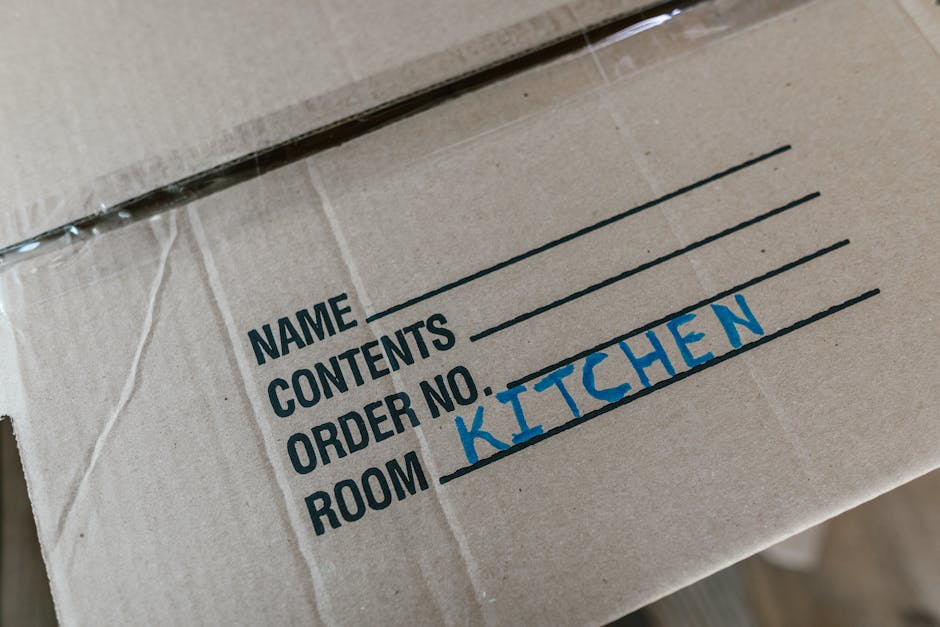
Packing the kitchen with the living room, or mixing bedroom items into random boxes, creates chaos later. Use room-based packing so the unpacking process stays simple. Label each box clearly with the room and a short list of contents. A label such as "Kitchen - mugs, tea towels, kettle cable" is much more useful than "miscellaneous".
4. Protect fragile and high-value items properly
Glassware, mirrors, artwork, and electronics need more than a thin layer of paper and optimism. Use suitable wrapping materials, fill empty space in boxes, and avoid overloading. If you own something particularly valuable or sentimental, consider moving it yourself rather than sending it in the main load. That might sound cautious, but it is often the sensible choice.
5. Create an essentials box
Pack one clearly marked box or bag with the items you will need immediately on arrival: phone chargers, basic toiletries, medications, tea or coffee, snacks, a change of clothes, toilet paper, keys, and important documents. This saves a surprising amount of stress, especially if the rest of the boxes are still stacked in the hallway at the end of a long day.
6. Confirm the move details in writing
Once the plan is set, make sure the essential details are recorded: date, arrival time, addresses, access instructions, contact numbers, and any special handling notes. That is not being fussy; it is being organised. Written confirmation reduces the chance of misunderstanding, especially if more than one person is helping.
7. Prepare your new home before the van arrives
If you can, make sure the new property is ready for boxes and furniture. Clear pathways, identify where the largest items will go, and check that utilities are in place. Small preparations, like making sure bulbs are available or the fridge has been cleaned, help the first day feel less chaotic.
For a fuller explanation of how the moving process is typically coordinated, you may also want to review our removals process guide.
Expert Tips for Better Results
A few practical habits can improve the whole move without adding much effort.
- Photograph cable setups before disconnecting them. It sounds minor, but it saves time later when reconnecting TVs, routers, or desktop equipment.
- Use colour-coded labels if you have several rooms. A simple colour on each box makes unloading faster and keeps helpers from guessing.
- Keep screws and fittings taped to the furniture they belong to. One small bag of fittings can save a lot of frustration.
- Load in reverse order. Items needed last at the new property should usually go on first in the van, while essentials come off early.
- Reserve a buffer in your schedule. Traffic, lift delays, and access issues happen. A small time cushion prevents the day from becoming rushed.
One other point that often gets overlooked: tell close neighbours if the move will involve shared hallways, extra foot traffic, or a short period of noise. A bit of courtesy goes a long way in a residential estate. Most people understand moving is temporary, especially if you are considerate about timing and tidiness.
If you need a more tailored plan, our home removals page explains how a full-house move is usually structured from start to finish.
Common Mistakes to Avoid
Some moving problems are almost painfully predictable. Avoiding them can make the difference between a smooth day and a messy one.
- Leaving packing until the final two days. This nearly always leads to rushed decisions and poor labelling.
- Ignoring building access. A long carry from van to flat can add a lot of time and effort.
- Overfilling boxes. Heavy boxes are harder to lift and more likely to split.
- Not protecting corners and surfaces. Door frames, stair rails, and furniture edges are easy to damage in tight spaces.
- Forgetting to set aside valuables and documents. Passports, contracts, keys, and jewellery should never disappear into a random box.
- Failing to notify relevant contacts in time. Utilities, internet, and address changes all take longer than people expect.
There is also a psychological mistake: trying to do everything yourself when the move is bigger than a one-person job. That is understandable, but it is not always efficient. A sensible balance of self-packing and professional help often works better than heroic last-minute scrambling.
Tools, Resources and Recommendations
You do not need a warehouse of equipment, but a few basics make a real difference.
| Tool or Resource | Why It Helps | Best Use |
|---|---|---|
| Strong moving boxes | Protects contents and stacks safely | Books, kitchenware, household items |
| Packing tape and dispenser | Secures boxes quickly and reliably | Closing and reinforcing cartons |
| Bubble wrap or paper wrap | Cushions fragile items | Glass, ornaments, frames, electronics |
| Marker pens and labels | Keeps the move organised | Room labelling and priority markings |
| Furniture covers and blankets | Helps prevent scuffs and dust marks | Sofas, tables, wardrobes, mattresses |
| Basic toolkit | Useful for disassembly and reassembly | Bed frames, shelving, small fittings |
If you want help packing awkward items, our packing materials page explains what is typically worth buying versus reusing. For many moves, that distinction matters more than people think.
Keep a digital folder on your phone with key details too: moving company contact numbers, inventory notes, meter photos, tenancy documents, and utility confirmation emails. Paper is fine, but digital backups are excellent when you are rushing between rooms.
Law, Compliance, Standards, or Best Practice
For a residential move in Pimlico, the most relevant issues are usually practical best practice rather than complex legal rules. That said, there are a few sensible standards to keep in mind.
First, respect shared access areas. Do not block fire exits, keep corridors clear, and avoid leaving items in stairwells or entrances. That is basic safety and common sense, but it is worth stating plainly. Second, if a building or estate has move-related instructions, follow them. Some properties expect advance notice, use of protective coverings, or specific loading arrangements. Third, check your tenancy agreement, lease, or managing agent instructions if you are unsure about anything related to move-out condition, key handover, or permitted timings.
If you are moving larger furniture, do so with proper lifting technique and adequate help. In the UK, moving work should be handled safely, with reasonable care for people and property. That means no dragging heavy wardrobes down stairs because someone said, "It'll probably be fine." Probably is not a strategy.
For extra reassurance around risk-aware moving, our safe removals guidance covers practical precautions that protect both people and property.
Options, Methods, or Comparison Table
Residents usually choose between a few broad approaches. The right option depends on budget, volume, and how much time you want to spend coordinating the move yourself.
| Option | Best For | Advantages | Trade-Offs |
|---|---|---|---|
| Self-move | Very small loads and simple access | Lower direct cost, full control | More physical effort, higher time pressure |
| Man and van | One-bedroom moves, smaller flat contents | Flexible, often efficient for local moves | Less support with full packing or heavy handling |
| Full removals service | Larger homes, family moves, busy schedules | Less stress, more coordination, faster handling | Higher overall cost, requires earlier booking |
| Hybrid approach | Residents who want to save time and money | Flexible balance of self-packing and support | Needs clear planning so responsibilities do not blur |
In practice, a hybrid model is often the sweet spot for estate moves: you pack personal items yourself, then use professional help for the lifting, transport, and tight access work. That can be a very sensible compromise, especially if you live on a higher floor or have bulky furniture.
Case Study or Real-World Example
Consider a typical Churchill Gardens move: a resident in a two-bedroom flat is relocating to another Pimlico property a short distance away. The move looks simple on paper. In reality, there are two wardrobes, several book boxes, kitchenware, a bike, framed prints, and a sofa that is awkward in a hallway.
The move goes much better because the resident starts early. Non-essentials are packed first. Fragile items are wrapped carefully. The essentials bag is kept separate. The mover receives clear access notes in advance, including where to stop and which items need the most care. On the day, the van is loaded in a sensible order, the most fragile pieces are handled last, and the new flat is ready with clear room labels. Nothing dramatic happens. Which, in moving terms, is a success.
That example highlights the main point: the difference between a stressful move and a controlled one usually comes down to preparation, not luck. Good planning does not remove every problem, but it makes the problems smaller and much easier to solve.
Practical Checklist
Use this checklist in the final week before moving day.
- Confirm moving date, arrival window, and contact details
- Check access, parking, and any estate instructions
- Finish decluttering and separate donations or recycling
- Label every box with room name and basic contents
- Pack an essentials box or overnight bag
- Photograph electronics and furniture setups before disassembly
- Keep documents, keys, valuables, and medications with you
- Protect floors, doors, and delicate furniture surfaces where needed
- Arrange utilities, internet, and address changes in advance
- Check the old property one last time before leaving
- Take final meter readings if applicable and allowed
- Make sure the new home has a clear path for unloading
A simple checklist like this does more than keep you organised. It gives you a sense of control when everything else feels slightly out of your hands.
Conclusion
Moving does not need to be chaotic, even in a busy estate setting. With the right plan, Moving Tips for Churchill Gardens Estate Residents, Pimlico can translate into a calmer day, fewer delays, and better protection for your belongings and your building. Focus on access, packing order, communication, and a clear essentials plan, and you will already be ahead of most people on moving day.
For Churchill Gardens residents, the smartest approach is usually the simplest one: prepare early, keep the move organised, and choose the right level of help for the size of the job. Do that, and the day becomes much more manageable. Not effortless, perhaps. But definitely manageable.
Get a free quote today and see how much you can save.
Frequently Asked Questions
What should Churchill Gardens residents do first when planning a move?
Start with access, timing, and the size of the job. Before packing too many boxes, work out how furniture will leave the property, where the vehicle can stop, and whether you need help with lifting or packing.
How far in advance should I book a mover for a Pimlico flat?
As early as possible, especially if you need a preferred date or have a larger flat with more complex access. Short-notice bookings can be possible, but planning ahead gives you more choice and less stress.
Is a man and van service enough for a Churchill Gardens move?
It can be, if you have a smaller load and straightforward access. For larger homes, heavy furniture, or tight stairwell conditions, a fuller removals service may be more suitable.
How can I make moving day quicker in a block of flats?
Label boxes clearly, separate essentials, disassemble furniture in advance where possible, and keep corridors and entry points clear. Clear communication with the mover also saves a lot of time.
What items should I keep with me rather than send in the van?
Keep keys, ID, documents, medication, valuables, chargers, and any items you may need immediately on arrival. A separate essentials bag is the easiest way to avoid losing them.
How do I protect furniture during a move?
Use covers, blankets, or wrap where appropriate, and take extra care with corners, glass, and painted surfaces. If something is fragile or expensive, it is usually worth giving it extra protection or moving it separately.
Do I need to tell neighbours before moving out?
It is not always mandatory, but it is considerate and often helpful. If there may be temporary noise, extra foot traffic, or shared hallway use, a quick heads-up is good etiquette.
What is the biggest mistake people make when moving from an estate flat?
Underestimating access and timing. Long carries, lift delays, parking issues, and poor packing can all turn a simple move into a slow one if they are not planned for early.
Can I pack everything myself and still use movers just for transport?
Yes, and many residents do. That hybrid approach can work very well if your packing is organised and the mover knows exactly what to expect on the day.
What should I check before leaving my old property?
Check every room, cupboard, and storage area, then confirm that keys, documents, and meter details are handled properly. A final sweep prevents the classic "we left the cable box in the airing cupboard" problem.
How do I avoid damage in shared hallways and entrances?
Use protective coverings where needed, move items carefully, and avoid blocking routes. Good handling and a tidy load-in plan reduce the chance of scuffs or collisions in communal areas.
What is the best next step if I want help with my move?
Review your access needs, decide how much packing support you want, and compare service options. If you are ready to proceed, request a tailored quote so the move can be planned around your property and timetable.